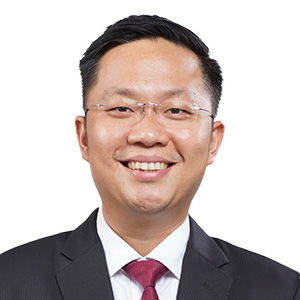
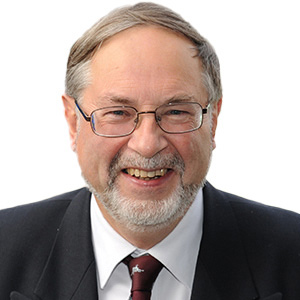
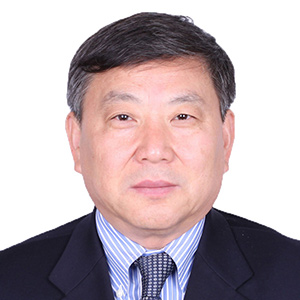
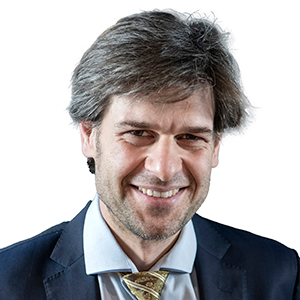
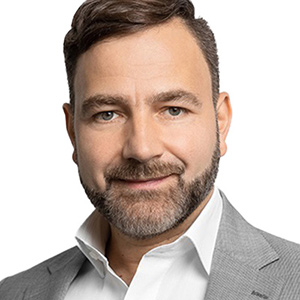
Mr Rachid Annan
Technology Business Line Director
VSL International Limited
只有英文版本
Rachid Annan is Director of Technologies at VSL, where he leads the development and deployment of stay cable systems and related structural solutions. His career began 20 years ago with research into cable dynamics and the continuation of Dr. Kovacs’ pioneering work on nonlinear friction dampers. These innovations were later implemented on major cable-stayed bridges such as the Incheon Bridge in Korea.
In response to the growing significance of extradosed bridge designs, he led the development of VSL’s saddle system—now used worldwide and recognized as the first full-scale tested solution of its kind.
He has played a key role in the cable system definition for major bridges including the Queensferry Crossing and the Mersey Gateway in the UK, and most recently the A40 Duisburg Bridge in Germany. In parallel, he is an active member of international working groups focused on stay cable design and tension components within fib, PTI, and Eurocode committees.
His technical contributions include co-authoring fib Bulletin 89, PTI DC 45.1-18, and the upcoming revision of Eurocode 3-1-11 on design with tension elements. He regularly shares his expertise through publications and presentations at fib symposia, IABSE events, and other international conferences, with a particular focus on damper systems, saddle qualification, cable connections, and evolving design methodologies in structural engineering.
演講內容摘要
Corrosion is widely recognized as the primary factor compromising the durability of steel structures, often presenting a greater challenge than fatigue loading. Stay cables in bridges, composed of high-tensile wires (PWS) or parallel strands (PSS), are especially vulnerable due to the high stresses and strain variations they endure, which accelerate corrosion damage. International standards and guidelines such as CIP, PTI, and fib emphasize corrosion protection through passive barrier detailing to ensure long-term cable durability. However, these protective measures impact cable design, increasing cable diameter and wind exposure, raising concerns about sealant and injection material longevity, and influencing maintenance requirements. Additionally, conventional passive protection materials, being petrol-based, carry environmental implications.
Building on proven dehumidification technologies used successfully for suspension bridges like the Shikoku-Honshu and Forth Road Bridges, VSL has developed dedicated dehumidification solutions for stay cables. This innovative approach enhances strand durability while optimizing cable dimensions. The system was piloted on two stay cable hangers of the Cross Bay Link project in Hong Kong, representing a significant step forward in stay cable technology. This presentation will discuss the development journey, key challenges and solutions, benefits of the approach, and practical insights from the Hong Kong implementation, and, eventually, solutions to improve suspension bridges cabling about durability management.


.jpg)






.jpg)




.jpg)